
Nasal Dilator vs. Nasal Strip: What’s the Difference?
- By Kylie
- Update 2025/11/13
1,540 words, 7.5 minutes read time

Introduction: From the Race Track to Everyday Breathing
After Jack Miller appeared in MotoGP 2025 wearing a small device across his nose, many viewers wondered what it was.
Was it a brace? A protective guard? In reality, Miller was using a Noson® internal nasal dilator — a breathing aid designed to help maintain steady airflow under the demanding conditions of racing.
That moment sparked a bigger question for many:
What’s the difference between a nasal dilator and a nasal strip?
They may serve a similar purpose, but they work in completely different ways.
What Is a Nasal Dilator? (Internal Type)

A nasal dilator is a small device inserted inside the nostrils to physically open the nasal valves and reduce internal resistance.
It’s made from soft silicone or lightweight plastic, designed to fit comfortably while maintaining shape.
The most recognized example is the Noson® Nasal Dilator, worn by Jack Miller during MotoGP races.
Under a tightly sealed helmet, nasal airflow can be restricted. The internal dilator helps counteract this by holding the nasal passages open — allowing Miller to breathe through his nose even under intense physical and aerodynamic pressure.
However, using internal nasal dilators in high-speed or contact sports comes with specific cautions:
Because they rest inside the nose, impact or collision could cause discomfort or even minor nasal injury.
Long wear under helmets may create pressure or friction.
They are best used in controlled, endurance-focused environments rather than contact-heavy situations.
“Miller’s device isn’t cosmetic or protective — it’s functional, improving airflow under helmet pressure,” notes Jalopnik (2025).
Source: Jalopnik – The Reason Why MotoGP Riders Tape Their Nose
Internal dilators are reusable, easy to clean, and effective for:
Sleep and snoring reduction
Nasal valve collapse support
Controlled training, cycling, or endurance activities
📚 Reference: PubMed (2024) — Improvement of the Aerobic Performance in Endurance Athletes Using Internal Nasal Dilators.
https://pubmed.ncbi.nlm.nih.gov/37774642/
What Is a Nasal Strip? (External Type)


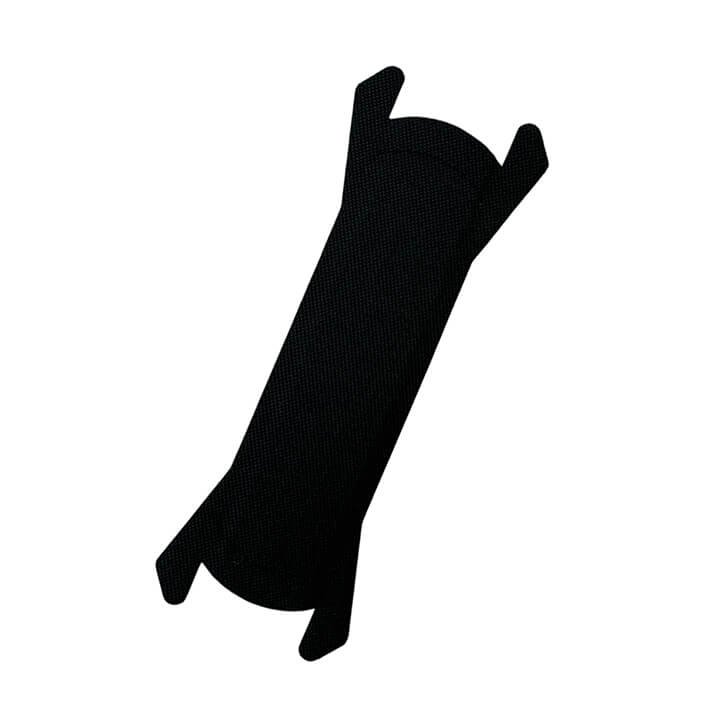
A nasal strip is an adhesive band applied to the bridge of the nose.
Unlike an internal dilator, it works from the outside, gently lifting the skin around the nostrils to help open the nasal passages.
Most nasal strips are made with medical-grade nonwoven fabric, hypoallergenic adhesive, and flexible plastic bars.
They are disposable, soft, and comfortable — ideal for daily use.
Originally marketed for snoring and congestion relief, nasal strips have now become popular across sports and wellness.
Athletes including Carlos Alcaraz, Marco Bezzecchi, Pedro Acosta, and several professional footballers have been seen wearing them during matches and training.
Common benefits:
Safe and non-invasive
Comfortable under helmets or sweat conditions
Can be branded with team or sponsor logos
Easy to apply and remove
“Nasal strips reduce breathing effort and fatigue during long rallies,” reports BBC Future (2025).
Source: BBC Future — The Surprising Power of Breathing Through Your Nose
The Science: How Both Improve Breathing
Both devices share a single goal — to make nasal breathing easier — but they differ in how they achieve it.
| Type | Mechanism | Safety in Sports | Comfort |
|---|---|---|---|
| Internal Nasal Dilator | Expands nasal valves from inside | ⚠️ Effective but risk of impact discomfort | Noticeable at first |
| External Nasal Strip | Lifts nasal tissue externally | ✅ Safe and widely used in sports | Gentle and skin-friendly |
Both methods enhance airflow and reduce nasal resistance.
Scientific studies (PMC 2019, Sleep Foundation 2023) confirm that nasal breathing supports better oxygen balance, improved concentration, and calmer heart rhythms — whether achieved by internal or external expansion.
Athletes tend to prefer external strips for their comfort and safety, while internal dilators are often chosen for focused training, sleep improvement, or specialized breathing therapy.
Side-by-Side Comparison

| Feature | Internal Nasal Dilator | External Nasal Strip |
|---|---|---|
| Placement | Inside the nostrils | On the nose surface |
| Material | Silicone / Plastic | Fabric + Adhesive + Plastic Bars |
| Reusability | ✅ Reusable | ❌ Disposable |
| Comfort | Moderate / Intrusive for some | Very comfortable |
| Safety in Sports | ⚠️ Risk of impact injury | ✅ Safe and common |
| Visibility | Hidden | Visible (can carry branding) |
| Typical Users | Sleep, Cycling, Endurance | Sleep, Tennis, Football, Motorsport |
| Duration of Use | 1–3 hours | Up to 8 hours overnight |
Which One Fits Your Needs?
If you’re considering nasal breathing products — either for personal use or product development — the right choice depends on the context:
For controlled, low-impact use (like sleeping, light training, or research):
➤ Internal nasal dilators offer reusable and effective airflow support.For dynamic or team sports (like tennis, football, or motorsport):
➤ External nasal strips are safer, more comfortable, and visible for branding.
Both belong to the same family of breathing aids, but safety, comfort, and application environment define their best use.
Conclusion: Two Designs, One Goal
From Jack Miller’s internal Noson® dilator on the racetrack to the external nasal strips seen on tennis and football players, both tools point to the same truth:
how we breathe matters — and even the smallest improvement can make a difference.
What separates them is not purpose, but design philosophy:
One works from within, supporting structure and airflow precision.
The other acts from the outside, offering comfort, visibility, and accessibility for everyday users.
As the science of nasal breathing continues to gain recognition in sports and wellness, these two approaches will likely coexist and evolve together —
each serving a unique role in helping people breathe smarter, sleep deeper, and perform better.
In the end, it’s not about the device itself, but about the growing understanding that breathing — once overlooked — is becoming a new frontier of human performance.
Citations
Jalopnik (2025) – Jack Miller and the Nasal Device in MotoGP. https://www.jalopnik.com/1914038/why-do-motogp-riders-tape-their-nose/
Kyro Sports (2025) – Jack Miller’s Breathing Tech Explained. https://www.kyrosports.com/
BBC Future (2025) – The Surprising Power of Breathing Through Your Nose. https://www.bbc.com/future/article/20250507-the-surprising-power-of-breathing-through-your-nose
Sleep Foundation (2023) – How Do Nasal Strips Work? https://www.sleepfoundation.org/snoring/how-do-nasal-strips-work
PubMed (2024) — Improvement of the Aerobic Performance in Endurance Athletes Using Internal Nasal Dilators.
https://pubmed.ncbi.nlm.nih.gov/37774642/
 EN
EN  DE
DE  AR
AR  FR
FR  ES
ES  DA
DA  PT
PT  IT
IT  NL
NL  TH
TH  TR
TR  PL
PL  JA
JA